Services

About Our Services

Efficiency and High Standards of Quality

Metodologia EQC Building Survey®

A metodologia EQC Building Survey® está fundamentada nas melhores práticas de gestão de projetos. Esta ferramenta garante mais segurança na tomada de decisão em diferentes etapas do desenvolvimento do empreendimento. Proporciona, também, entregas com qualidade superior, seguindo todos os requisitos definidos para o projeto.

  1. Viabilidade Técnica: A mesma está fundamentada nas áreas de conhecimento das melhores práticas de gestão de projetos do PMI.
  2. Diligência Técnica: São aplicadas técnicas e ferramentas exclusivas para a realidade do cliente, conforme o seu contexto, foco e complexidade do empreendimento.
  3. Orçamento: O foco principal é proporcionar segurança na tomada de decisão do cliente, bem como garantia da qualidade e dos requisitos do projeto planejados originalmente.
  4. Projetos: Atuamos em variados segmentos do mercado imobiliário, criando soluções para as necessidades dos clientes para operações gerenciáveis.
  5. Aprovações: Grupo focado em análise e aprovação de projetos Imobiliários e habitacionais para o melhor desempenho na construção.
  6. Construção: Viabilizamos projetos e obras, apresentando soluções e garantindo o melhor desempenho em todo o ciclo do negócio imobiliário.
  7. Operação: Por definição, trata-se de uma modalidade de operação imobiliária que pode ser realizada com investimentos alocados no projeto.
  8. Conclusão: Finalização da obra, entrega do relatório final da gerencia e desenvolvimento do empreendimento imobiliário.

Centrados na Engenharia do Proprietário

Gerenciamos o desenvolvimento de negócios imobiliários através de uma metodologia exclusiva que reduz riscos, traz maior eficiência e garante qualidade na implantação de empreendimentos.

Proporcionamos uma experiência única, pois damos total atenção a cada detalhe. Trabalhamos em todo o ciclo de vida do empreendimento (viabilidade, aprovações, construção e operação). Reunimos diferentes visões e know-how para a implantação do empreendimento.

  • Zeladoria de ativos.
  • Gerenciamento de projetos e obras.

Contribuímos para a valorização do ativo

Atuamos na construção e retrofit de imóveis residenciais, comerciais e logísticos atendendo clientes que buscam excelência técnica e comprometimento com resultados.

Contribuímos para a valorização do ativo ao oferecer construções personalizadas de alta performance alinhadas aos objetivos estratégicos de cada cliente, sempre atentos a prazos e exigindo alto nível de qualidade.

  • Pré-Construção.
  • Construção.
  • Retrofit.

EQC Engenharia

Atuação em todo território Nacional + de 800 mil m² sob gestão Gerenciando 26 ativos imobiliários

630 mil m² de galpões logísticos
170 mil m² de edifícios corporativos

O que fazemos

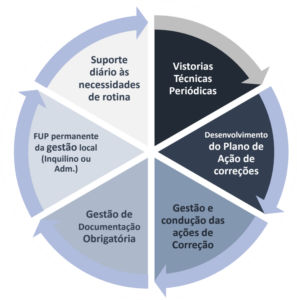
Gerenciamento Contínuo

  • Assessoria técnica e de engenharia;
  • Vistorias periódicas das instalações e estrutura do ativo;
  • Definição de escopos sobre as melhores soluções;
  • Acompanhamento da aplicação de soluções corretivas de instalações;
  • Controle sobre documentação obrigatória do ativo;
  • Pareceres técnicos.
  • Elaboração de plano de investimentos.


Diligências Técnicas

  • Laudos de vistorias:
    • Entrada / saída;
    • aquisições;.
  • Estudos de projetos;
  • Inspeção física dos ativos;
    • Identificação de estado;
    • Sugestão de soluções;
    • Estudo de riscos.
  • Análise documental e ambiental;
  • Estudos vocacionais e de viabilidade.


Como fazemos

Gerenciamento Contínuo de Ativos
comofazemoseqc


Diagnostic Report Including:

  • Mapping of all approvals required for project implementation;
  • Identification of studies required for approval processes;
  • Detailed workflow of sequential activities;
  • Identification of potential risks and opportunities;
  • Master schedule for approvals;
  • Master implementation and project development schedule.

Technical Due Diligence Report Including:

  • Preliminary assessment of legal and environmental aspects;
  • Analysis of utility company feasibility certificates;
  • Mapping of environmental restrictions;
  • Technical review of the project’s licensing status;
  • Evaluation of project designs and technical specifications;
  • Review of the master implementation schedule;
  • Construction cost assessment;
  • Identification of potential risks and opportunities.

The feasibility study and preliminary budgeting activities include:

  • Mapping the key information related to the site under evaluation;
  • Analyzing the development potential of the area;
  • Conducting financial and economic feasibility studies;
  • Presenting simulated development scenarios;
  • Identifying potential risks and opportunities;
  • Developing a preliminary implementation budget based on massing studies and technical assumptions, including cost estimates per square meter, major construction systems, materials, and overhead and profit composition.

Approval management activities include:

  • Procuring and contracting the studies and design services required for approvals, including but not limited to Traffic Impact Reports (TIR) and Tree Inventory Registration;
  • Developing a project dependency network and identifying the critical path, covering all activities involved in the development;
  • Updating the master approval schedule, incorporating modifications or additional services requested by the client, contractor, or public authorities;
  • Coordinating periodic approval status meetings and preparing meeting minutes.

BIM project management and coordination activities include:

  • Procuring and contracting design services, as well as issuing technical and commercial evaluations of project proposals submitted to the client;
  • Developing the initial project development schedule;
  • Coordinating and supervising the execution of all design disciplines, while conducting regular project meetings and preparing meeting minutes;
  • Coordinating periodic meetings with the client to align project development with business requirements, as well as organizing meetings for the validation and approval of project designs and product assumptions.

Construction procurement coordination activities include:

  • Defining the procurement strategy for contractor selection;
  • Preparing the bid package and tender documentation for the construction works;
  • Pre-qualifying companies for participation in the bidding process, including analysis of financial standing, administrative conditions, technical capabilities, and experience in similar projects;
  • Monitoring technical site visits with bidding companies;
  • Conducting a critical review of submitted proposals and performing technical and commercial bid evaluations, presenting the results to the client for consideration;
  • Coordinating the presentation of proposals and contractor pre-qualification results;
  • Supporting and monitoring the entire negotiation process with the contractor selected by the client through contract execution;
  • Providing technical support for the review and analysis of the construction contract;
  • Validating the project cash flow and construction schedule based on the final approved budget.

Construction management activities include:

  • Reviewing and validating the construction schedule issued by the contractor at the beginning of the project and monitoring its execution;
  • Conducting weekly project progress meetings and directing the actions required to ensure compliance with the schedule;
  • Guiding and overseeing service providers to ensure the smooth progress of the project;
  • Issuing weekly reports, performance indicators, and meeting minutes for project monitoring;
  • Reviewing the methods, procedures, and work programs proposed by the contractor, recommending improvements when necessary and monitoring their implementation on site;
  • Supervising and ensuring that all construction activities comply with project requirements, applicable standards, and industry best practices;
  • Conducting inspections and acceptance reviews in accordance with the project plan and client requirements.

Schedule Management

Construction management activities focused on schedule management include:

  • Monitoring the construction schedule, as well as procurement schedules for major materials and supplies, ensuring compliance with contractual deadlines;
  • Ensuring adherence to project deadlines by reviewing the critical path and implementing corrective actions whenever deviations are identified through trend analysis;
  • Monitoring the adequacy and qualification of labor, materials, and equipment resources, recommending reinforcements when necessary;
  • Managing schedule extensions by assessing their causes and impacts on project execution and costs;
  • Notifying and formalizing with the insurance provider any changes to the construction contract.

Cost Management

Construction management activities focused on cost management include:

  • Reviewing contracts with contractors and subcontractors and recommending adjustments when necessary to align costs, scope, and schedule;
  • Verifying progress payments by confirming compliance with contractual requirements and actual quantities executed before payment approval;
  • Validating financial schedules provided by the contractor, including planned and actual expenditures;
  • Preparing and updating the project’s cost control report on a monthly basis, including financial status and trend analysis compared to budget estimates;
  • Monitoring the overall project budget.

Quality, Safety, and Health Management

Construction management activities focused on quality, safety, and health include:

  • Monitoring the quality of services delivered by contractors and ensuring compliance with project specifications agreed upon with the client;
  • Defining quality standards, processes, acceptance criteria, and performance metrics together with the client;
  • Supervising work execution based on approved designs, technical specifications, and project requirements, formally notifying suppliers when standards are not met and requesting corrective actions;
  • Requiring contractors and installers to provide as-built drawings, technical specifications, operation and maintenance manuals, and warranties;
  • Requesting specific tests and inspections whenever necessary;
  • Requiring compliance with all applicable occupational health and safety regulations and programs;
  • Recording and reporting all relevant occurrences to the client.

Communication Management

Construction management activities focused on communication management include:

  • Ensuring effective communication among all project stakeholders through tools and procedures established jointly with the client;
  • Preparing project performance reports, including monitoring of:
    • Project scope;
    • Design changes;
    • Project schedule;
    • Permitting and utility approval processes;
    • Contracts and project costs;
    • Service quality and inspection checklists;
    • Procurement and contracting activities in progress;
    • Key communications and updates during the reporting period.

Post-Construction Management

Construction management activities focused on post-construction management include:

  • Conducting final inspections of civil works and supporting the acceptance of installed systems and facilities, including punch list preparation;
  • Monitoring the commissioning process of systems and equipment performed by specialized third parties;
  • Preparing the final cost closure report;
  • Collecting all required documentation for project closeout, including as-built drawings, engineering records, operation and maintenance manuals, warranties, and related documentation;
  • Monitoring the preparation of the project Data Book to be provided by the contractor.

Construction progress payment certification activities include:

  • Reviewing and verifying measurements and quantities of completed work, ensuring compliance with contractual requirements and actual executed quantities before authorizing payment;
  • Requesting corrections, revisions, or additional documentation whenever inconsistencies or missing information are identified in the progress payment submission;
  • Issuing a technical assessment report to support the payment approval process;
  • Providing technical approval for the certified work and corresponding payment release.

Technical operations management activities involve the continuous monitoring of the asset, with a focus on the following areas:

  • Acting exclusively in the owner’s best interest, providing dedicated oversight of each property’s operations, as well as the activities, needs, and requirements of occupants and property managers;
  • Conducting technical assessments of structural and infrastructure improvements requested by owners, occupants, and property management teams;
  • Monitoring and reviewing documentary evidence related to the implementation of maintenance best practices and compliance standards concerning the asset’s structure and building systems;
  • Leading and coordinating preventive and corrective actions that fall under the owner’s responsibility.

Technical inspection report activities include:

  • Conducting inspections in accordance with the requirements of ABNT NBR 16747, based on the assessment of the building’s technical conditions regarding use, operation, maintenance, and performance, as well as its construction systems and subsystems. Inspections are carried out through a systematic and predominantly visual evaluation, considering the conditions observed on the date of the inspection.

Issuance of a Technical Due Diligence Report focused on document review, including the following assessments:

  • Legal Review – Evaluation of documentation related to the property’s licensing and regulatory compliance, including approvals from utility providers and public authorities, based on documents prepared by the current owners and consultations with the relevant agencies.
  • Environmental Review – Assessment of legal documentation, environmental reports issued during the permitting process, and evidence demonstrating compliance with environmental conditions and requirements established during project approvals.
  • Operational Review – Evaluation of the asset’s maintenance and preservation records, seeking evidence of adherence to best practices and compliance with applicable standards regarding building systems, infrastructure, and structural elements.

Issuance of a Technical Due Diligence Report focused on expansion feasibility, including the following assessment:

  • Expansion Feasibility Analysis – Evaluation of the property’s current conditions and applicable zoning and urban planning regulations. Based on this assessment, the report identifies the feasibility of expanding the development and the potential utilization of available buildable areas.

Issuance of a Physical Condition Assessment Report including:

  • Technical evaluation of the property, conducted in accordance with the methodologies and criteria established by the IBAPE National Building Inspection Standards (2012) and in compliance with ABNT NBR 5674 and ABNT NBR 15575, with the objective of assessing and documenting the overall condition, performance, and integrity of existing buildings and improvements.

Issuance of a Property Condition Report including:

  • Technical assessment of the property, conducted in accordance with the methodologies and criteria established by the IBAPE National Building Inspection Standards (2012) and in compliance with ABNT NBR 5674 and ABNT NBR 15575, with the purpose of documenting the condition, performance, and integrity of the building and its existing improvements at the time of tenant occupancy or vacancy.