In February, we reinforced the structure that supports project management: centralized information, formal documentation of decisions, clear definition of responsibilities, and technical monitoring in the field.
With organized processes and accessible records, the team can focus its efforts on analysis and decision-making while maintaining alignment between planning and execution.
This edition brings together the main developments of the period and shows how this structure was reflected in practice across different areas of operation.
Organization as the Foundation for Decision-Making
In projects involving multiple stakeholders and simultaneous workstreams, management only works when information is organized and accessible. At EQC, centralizing data, documenting decisions, and clearly defining responsibilities are not isolated procedures — they are established practices in the way projects are managed.
Every approval is documented, every revision has a traceable history, and every stage has a clearly assigned owner. This level of organization reduces miscommunication between teams, prevents rework, and brings consistency to physical and financial monitoring. Decisions are made based on documented information, not on conflicting versions.
Organization is part of EQC’s technical standard.
Coordination Applied to Complexity
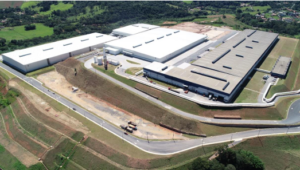
The revitalization of a corporate building and the progress of FW17 Business Park in Pouso Alegre, Minas Gerais, with 33,031.68 m² of built area and LEED certification, required rigorous technical coordination throughout the month.
Coordination between disciplines, validation of progress measurements, contract control, and physical and financial monitoring are not isolated stages. They are ongoing routines that ensure alignment between scope, budget, and schedule. In projects of this scale, small inaccuracies can accumulate into significant impacts. That is why methodology and discipline are applied on a daily basis.
Complexity is managed through continuous coordination.
Technical Standards as a Daily Practice
The first We Share of 2026 marked the beginning of the Culture Hub cycle under the theme “Building the EQC Professional.” The discussion was grounded in practical situations: conduct in meetings, responsibility in the field, adherence to processes, and clarity in communication across teams.
We structured the reflection around three areas — emotional intelligence, quality, and competencies — not as abstract concepts, but as observable behaviors in everyday work. Technical development takes shape through repeated decisions and in the way each professional represents EQC before clients, partners, and teams.
Culture is strengthened through the choices made every day.
Execution Monitored Up Close
February also saw progress across logistics projects at different stages, including concrete structural work and steel assembly in Extrema, Minas Gerais, as well as active work fronts in São Paulo.
On-site monitoring, technical assessment of execution, and interface control make it possible to identify deviations before they escalate. Physical progress is supported by continuous analysis, ensuring alignment with the project plan and greater predictability of potential impacts.